


Australian cities are increasingly grappling with complex challenges as climate change drives more frequent and intense natural disasters and extreme weather events. Urban green spaces (UGS) play a vital role in buffering these impacts and building resilience for local communities, offering environmental and health benefits such as flood mitigation, microclimate regulation, and fire risk reduction. As these pressures continue to intensify, effective planning and management of UGS is essential to strengthen their capacity to withstand natural hazards.
The guides, freely available to download via the links below, cover the planning, planting, design, and management of resilient green spaces. Each guide addresses a specific hazard - extreme heat, flood, or fire - and is designed to support and inspire anyone engaged in creating and managing UGS.
The strategies in each are intended to be adapted to context - for instance local climate zone, landscape characteristics and budget - rather than applied as a one-size-fits-all solution. Key aspects include planning, design, species selection, vegetation maintenance, and environmental monitoring, as well as engineered solutions for stormwater management in both greenfield developments and retrofit projects.
The fourth guide looks at multi-hazard mitigation and will be published here soon.
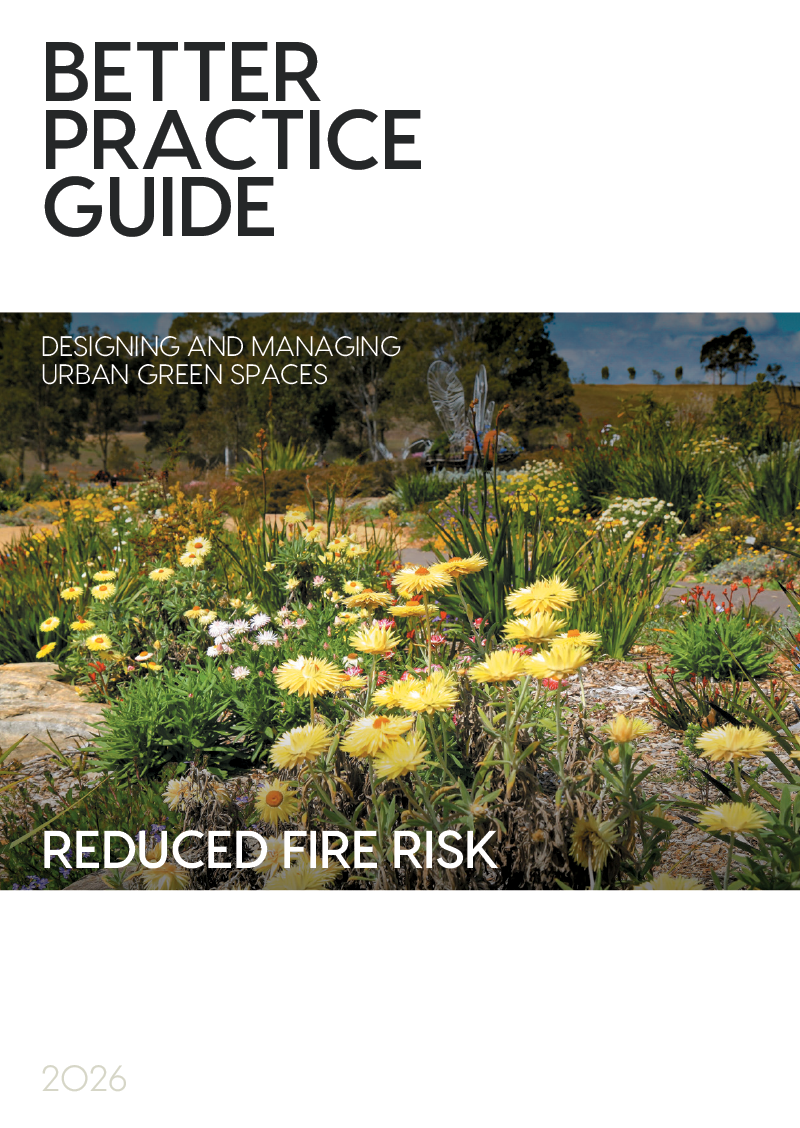
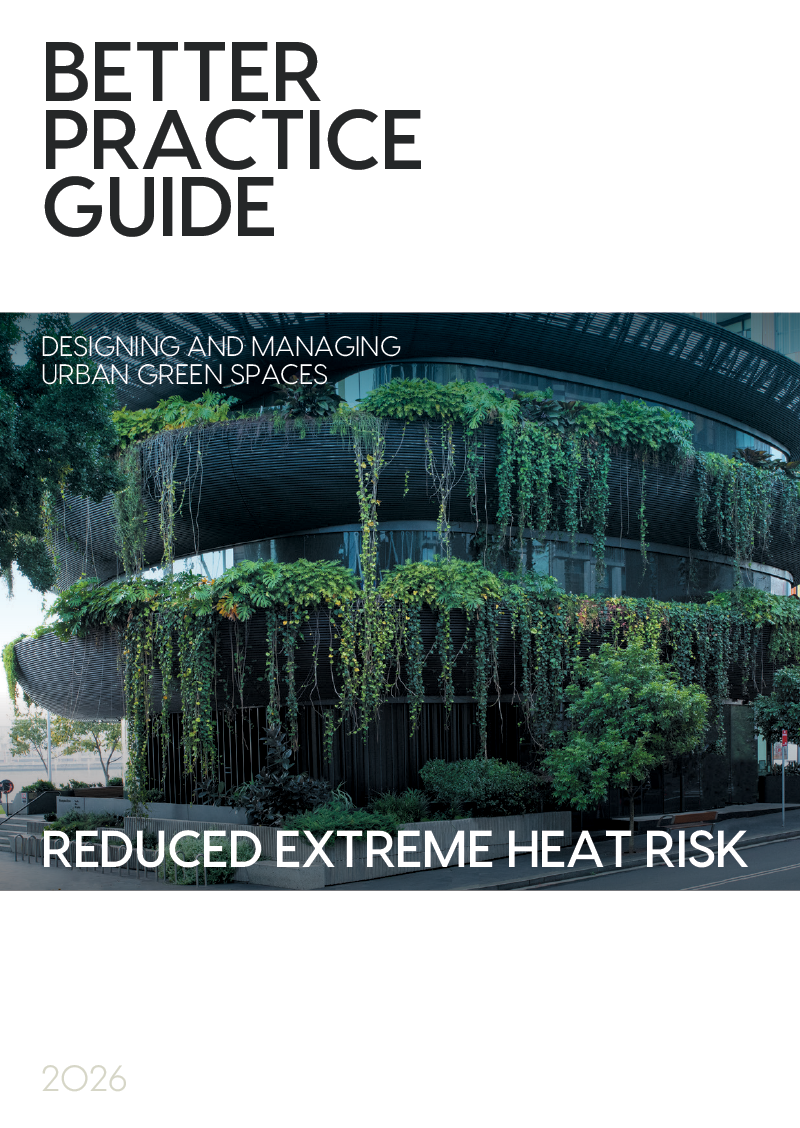
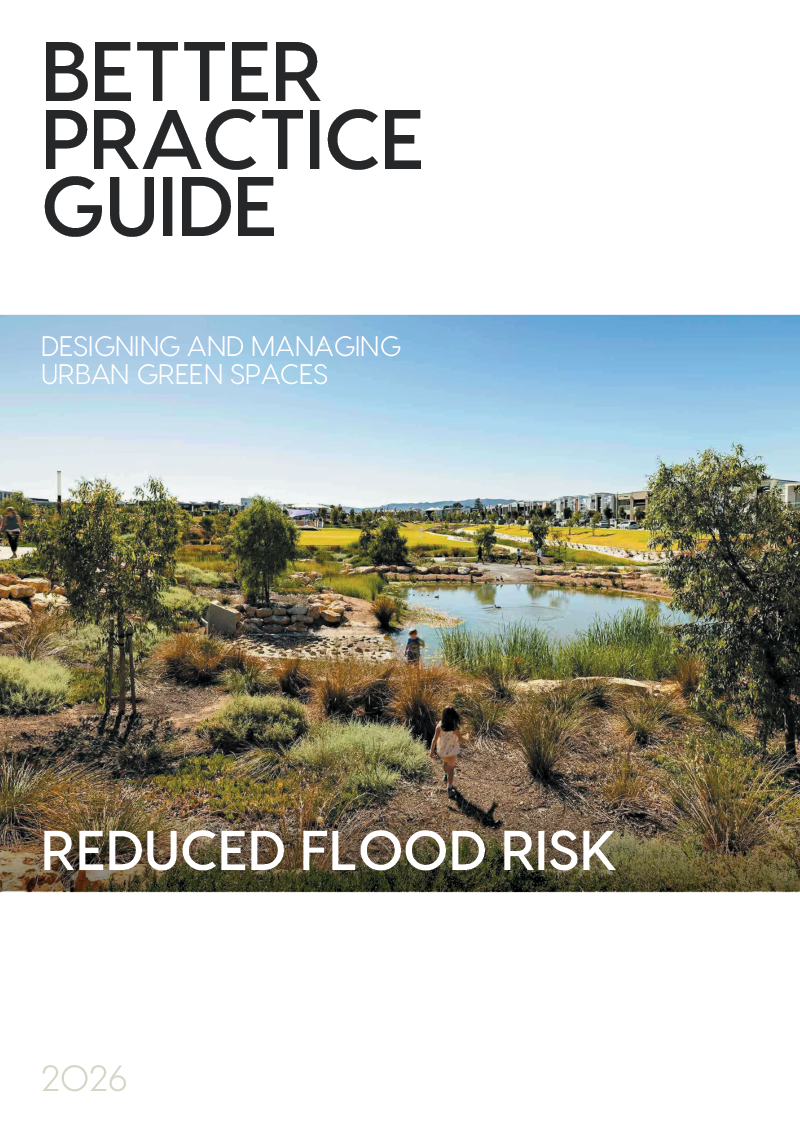
If your organisation blocks the downloads please contact us for alternative access.

Managing Resilient Urban Green Spaces in Australian Cities is funded through Frontiers, developed by Hort Innovation, with co-investment from Western Sydney University, University of Melbourne, University of New South Wales, Campbelltown City Council, Penrith City Council, Wyndham City, and contributions from the Australian Government.













© 2025 The Australasian Green Infrastructure Network. All rights reserved. The Australasian Green Infrastructure Network is an organisation limited by guarantee and a registered charity.